



📍 How Wakiso Early Learning Context Differs from Other Districts
Unlike Kampala's high-density, high-pressure environment or Mukono's more rural, spread-out landscape, Wakiso offers a unique hybrid: urban convenience (proximity to Kampala, diverse school options in Kira and Namugongo) blended with lower operational costs and more outdoor learning space. This translates to potentially better teacher retention and more playground area per child compared to the capital, but requires parents to be more proactive in verifying school credentials due to rapid, unplanned growth in areas like Bweyogerere and Kyaliwajjala.
PARENT DECISION INTELLIGENCE
What Makes a Nursery and Primary School in Wakiso Worth Your Trust?
Every parent in Wakiso District faces the same underlying question when searching for a nursery school in Wakiso: "How do I know this school will actually deliver what it promises?" The abundance of options across Namugongo, Kira, Bweyogerere, and Kyaliwajjala makes the decision harder, not easier. This guide provides a research-backed framework — not promotional claims — to help you evaluate early childhood education options systematically.
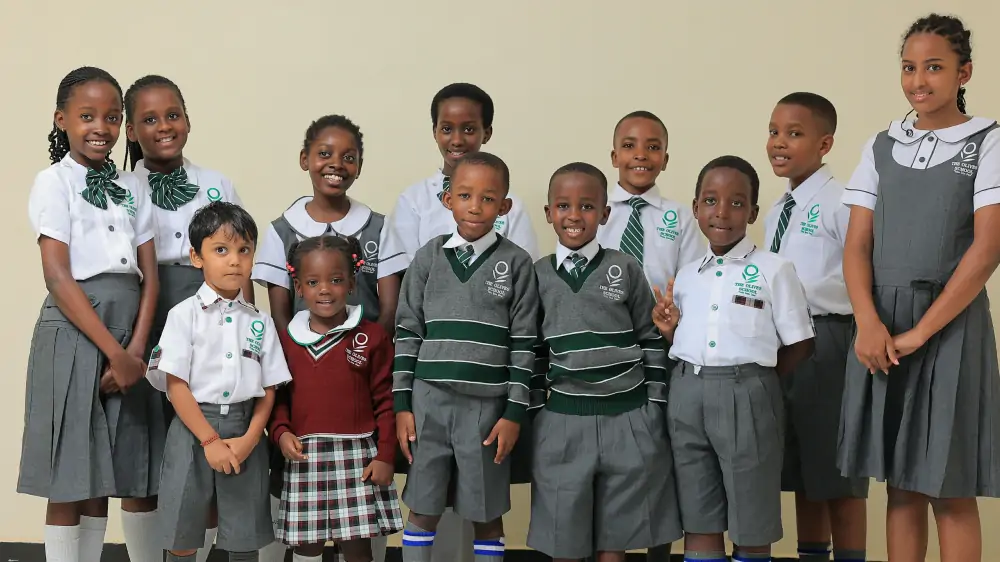
Early childhood learning environments in Wakiso prioritize safety, sensory exploration, and developmental readiness.
🎯 Quick Answers for Wakiso Parents
What do Wakiso parents prioritize when choosing a nursery school?
According to education research, the top factors are: teacher qualifications (verified through ESC), child safety protocols, class size (ideally 1:15 for baby class), and transparent parent communication.
Why does early education matter in Wakiso District?
UBOS data indicates that children with structured pre-primary exposure demonstrate stronger literacy outcomes by P3. Wakiso's concentration of registered schools gives parents meaningful choice — but only if they know what to evaluate.
Why is Wakiso a strong education hub?
Proximity to Kampala, presence of teacher training institutions regulated by NCHE, and community investment in schools make Wakiso a focal point for families seeking accessible early learning.
What defines a good nursery foundation in Wakiso?
Beyond facilities, look for daily routines that balance structured learning with free play, documented child protection policies, and evidence that the school follows NCDC competency-based guidelines.
🧠 Understanding Early Childhood Brain Development
Neuroscience research accessible through NCDC E-Library resources shows that 90% of brain development occurs before age five. This means the quality of a baby class school in Wakiso directly influences neural pathway formation — affecting language processing, emotional regulation, and problem-solving abilities for years to come.
A best nursery and primary school in Wakiso structures its daily schedule to maximize these developmental windows. Look for programs that include sensory activities, language immersion, social interaction opportunities, and motor skill development — not just worksheets and memorization. The NCDC Orange Book competency-based framework provides the official guidance for age-appropriate learning activities.
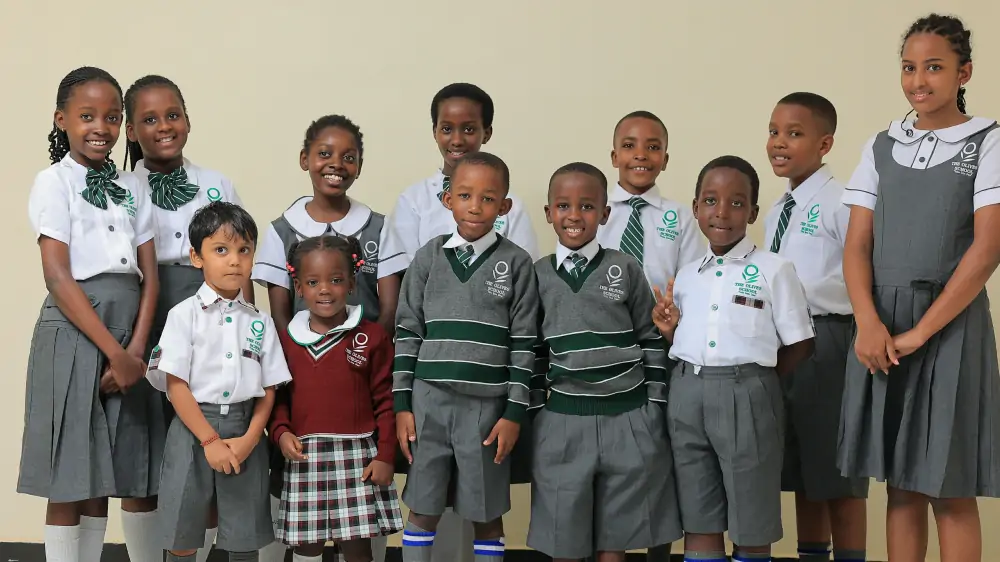
Quality early childhood instruction focuses on foundational literacy, social skills, and developmental readiness.
👶 The Three Stages of Early Childhood Development
A registered pre-primary school in Wakiso structures learning around three developmental stages defined by the National Curriculum Development Centre. Each stage has distinct outcomes that prepare children for the next phase.
🍼 Baby Class (Ages 2–3)
Focus: sensory exploration, basic language acquisition (first words, simple commands), and separation adaptation. A baby class school in Wakiso should maintain a maximum of 15 children per caregiver as recommended by MoES early childhood guidelines. Progress is measured through observational checklists, not formal tests.
🎨 Middle Class (Ages 3–4)
Introduction to pre-literacy (letter recognition, phonemic awareness), pre-numeracy (counting, patterns), and structured group activities. Social skills like sharing, turn-taking, and emotional regulation are emphasized. The NCDC E-Library provides sample learning frameworks.
✏️ Top Class (Ages 4–5)
Preparation for P1 includes emergent writing, basic numeracy (addition/subtraction within 10), and independent task completion. A nursery and primary school in Wakiso ensures Top Class graduates can follow multi-step instructions and express needs verbally, aligning with UNEB readiness expectations.
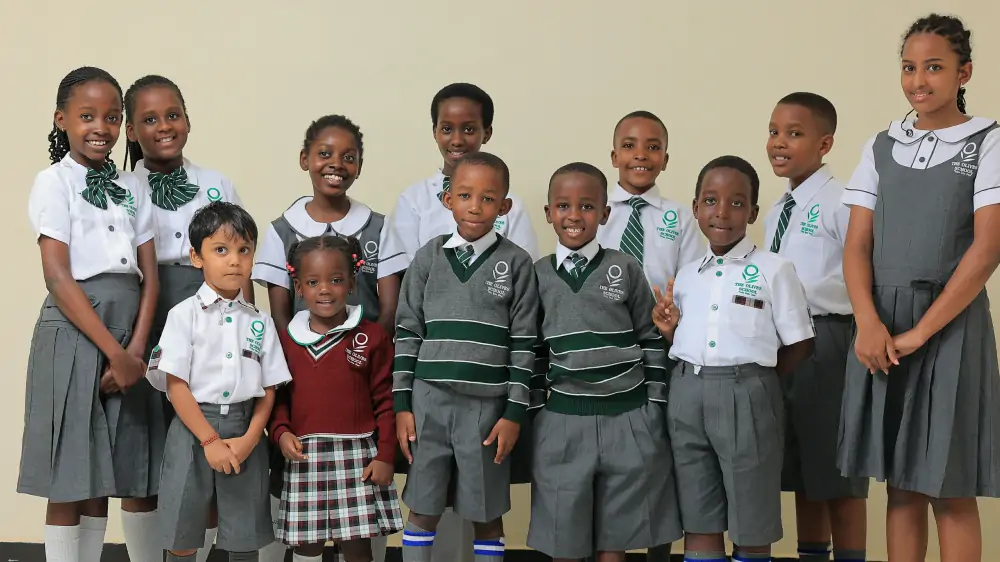
Combined nursery and primary campuses offer educational continuity from age 2 through P7 without transition stress.
📘 Lower Primary Education (P1–P3): Building Academic Fluency
The transition from nursery to lower primary marks a significant shift in learning expectations. A lower primary school in Wakiso District focuses on three core competencies: reading fluency, numeracy, and writing mechanics.
📖 How many words per minute should a P3 child in Wakiso read?
Based on competency-based curriculum benchmarks from NCDC, a P3 learner in a registered Wakiso school should achieve a minimum of 60 words per minute with 95% accuracy in English or Luganda. Schools falling significantly below this threshold may require remediation plans.
Parents evaluating a best pre-primary school in Wakiso that also offers primary should request sample weekly timetables for P1–P3. Evidence-based schools allocate 45–60 minutes daily to literacy, 45 minutes to numeracy, and integrate thematic units to connect subjects. Teacher qualifications, verifiable through Education Service Commission (ESC) registration, directly influence outcomes in these foundational years. The TIET Online Services platform supports ongoing teacher development.
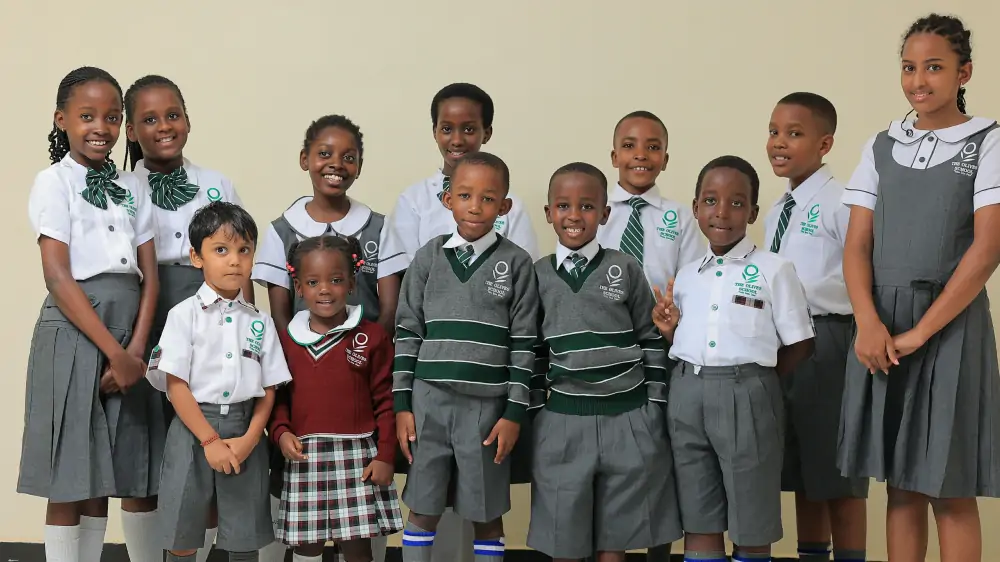
Baby class programs focus on sensory exploration, language exposure, and social adaptation in small groups.
📍 Accessibility for Families Across Wakiso District
The geographic distribution of registered schools in Wakiso means families in different communities face different access considerations. A nursery school near Namugongo may offer different transport logistics compared to a kindergarten near Naalya. School listings on the MoES Institutions of Learning portal provide verified addresses and contact information.
🚗 Parent commuting behavior in Wakiso vs. Kampala
Unlike Kampala where traffic extends school commutes significantly, Wakiso families often benefit from shorter, more predictable travel times, especially in areas like Kira and Namugongo. However, rapid growth in Bweyogerere and Kyaliwajjala has made verifying school transport safety protocols essential. Many working parents in Najjera and Bulindo prefer schools offering door-to-door service with GPS-tracked vans.
Communities served by quality early childhood options include: Namugongo, Kira, Bweyogerere, Kyaliwajjala, Naalya, Bulindo, Najjera, Kiwatule, Ntinda, and Banda. Parents searching for a nursery school near Kira or a kindergarten school in Wakiso District should consider commute time, transport availability, and whether the school offers door-to-door service. Working parents in Ntinda and Kiwatule often prioritize extended day structures, while families in Najjera and Bulindo may emphasize values-based education. Understanding these local dynamics helps parents select a best kindergarten school in Wakiso District that aligns with their daily routines.
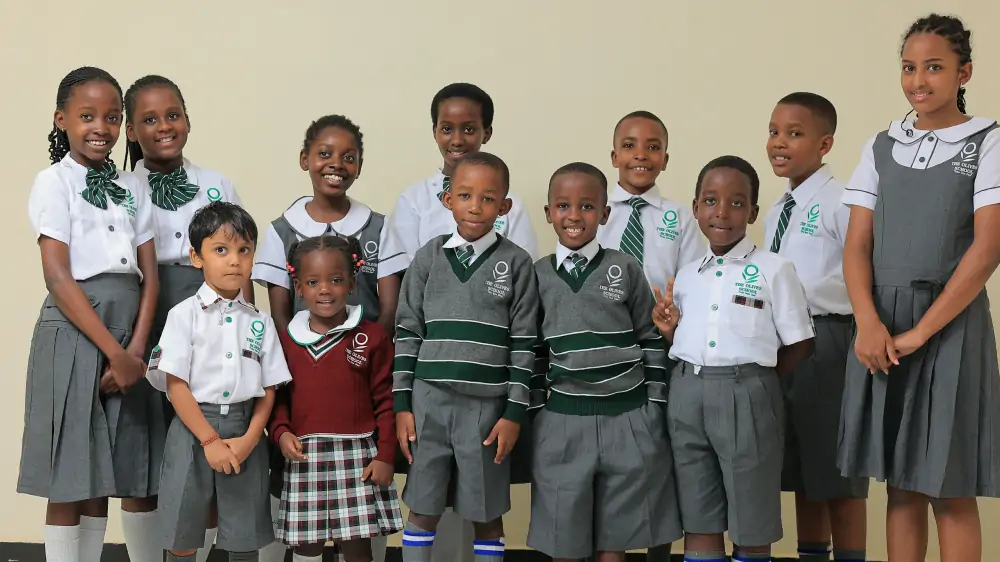
Pre-primary programs prepare children for P1 through emergent writing, basic numeracy, and classroom routines.
🏛️ Education Authority Stack: Who Governs School Quality in Wakiso?
Registration & Policy
Curriculum Framework
Assessment Standards
Inspection & Compliance
Education Statistics
Teacher Certification
🔍 Five Trust Indicators for Wakiso Parents
The Directorate of Education Standards (DES) conducts regular school inspections, but parents can also evaluate quality themselves using these observable indicators.
Teacher-Child Interaction
Observe whether teachers respond to children's questions with patience and specificity. The TIET framework emphasizes responsive teaching. Ratio should not exceed 1:25 in lower primary.
Safety Environment
Check for secured perimeters, supervised playgrounds, first-aid readiness, and a written child protection policy. DES inspection reports highlight compliance.
Balanced Learning
Weekly schedules should include physical activity, creative arts, and free play alongside numeracy and literacy blocks. NCDC guidelines support integrated learning.
Parent Involvement
Regular meetings, open-door policies, and progress reports. MoES encourages parent-teacher partnerships for child development.
Key insight: Schools that welcome parental observation and answer questions about teacher qualifications (verifiable through ESC) demonstrate transparency. Schools that deflect or delay such inquiries may have weaknesses in these areas. UNATU provides additional professional standards for teachers.
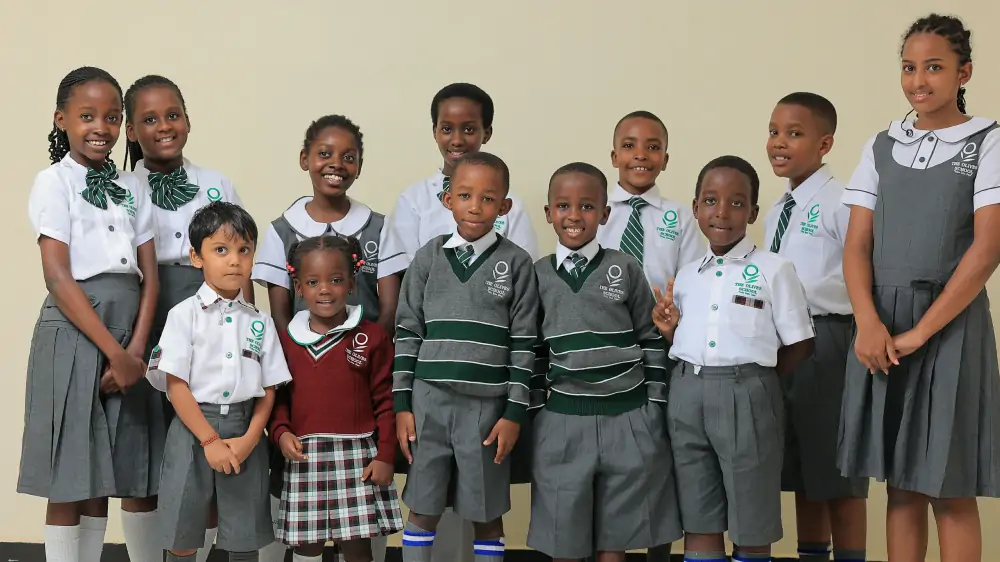
Lower primary instruction focuses on reading fluency, numeracy foundations, and writing mechanics.
❓ Frequently Asked Questions From Wakiso Parents
❓ How to identify a high-quality nursery school in Wakiso for a working parent?
Short answer: Focus on verified registration, safety protocols, and transparent operations. The right fit depends on proximity to your workplace or home, operating hours (some offer extended care until 5 PM), transport coverage, and holiday programs. Check the MoES institutions portal for registered schools near your location in Wakiso. Schedule visits during operating hours to observe actual conditions.
❓ What age should a child start baby class in Wakiso?
Short answer: Between 2.5 and 3.5 years, with developmental readiness key. Most registered schools admit children to baby class between 2.5 and 3.5 years, provided the child is toilet-trained and can communicate basic needs. The NCDC early years framework supports admission based on developmental readiness, not only chronological age. Some children benefit from starting later if they need more time for social-emotional preparation.
❓ What do children actually learn in pre-primary schools in Wakiso?
Short answer: Pre-literacy, pre-numeracy, social skills, and creative expression. Pre-primary (baby, middle, top class) curricula cover: pre-literacy (letter sounds, name writing, phonemic awareness), pre-numeracy (counting 1-20, shape recognition, pattern identification), social skills (sharing, routines, following instructions), and creative expression (drawing, singing, movement). NCDC e-library resources provide detailed learning outcomes for each term.
❓ How do nursery schools in Wakiso prepare children for P1?
Short answer: Through structured transition activities and simulated P1 routines. Effective nursery schools use structured transition activities: simulated P1 routines in Term Three, half-day extended sessions, independent task completion practice, and parent workshops on home-based reading support. Alignment with UNEB readiness expectations is key. Ask whether the school tracks specific readiness benchmarks.
❓ Which areas are served by quality nursery schools in Wakiso?
Short answer: All major Wakiso towns including Namugongo, Kira, and Naalya. Registered nursery schools operate across all major Wakiso towns: Namugongo, Kira, Bweyogerere, Kyaliwajjala, Naalya, Bulindo, Najjera, Kiwatule, Ntinda, Banda, and surrounding communities. Use the EMIS system to map schools by parish and verify registration status before visiting.
❓ What makes a good kindergarten school in Wakiso District?
Short answer: Small classes, trained ECD teachers, and strong safety policies. Evidence-based indicators include: small class sizes (maximum 25 learners), trained ECD teachers (verify via ESC), a written child protection policy displayed and followed, daily outdoor play (minimum 45 minutes), and learning materials beyond worksheets (puzzles, building blocks, art supplies, dramatic play areas). DES inspection reports confirm these standards.
❓ Why is Wakiso considered a good location for early childhood education?
Short answer: High school density, urban-rural mix, and active community investment. Wakiso offers several advantages: high school density (over 1,200 registered primary schools according to UBOS), an urban–rural mix that provides diverse educational philosophies, proximity to Kampala's educational resources, and active community investment in school improvement. Many schools also follow updated NCDC competency-based curricula.
❓ What is the difference between nursery and primary school in Wakiso?
Short answer: Play-based vs. subject-specific instruction. Nursery (ages 2–5) focuses on foundational skills through play-based, thematic learning with informal assessment. Primary (P1–P7) introduces subject-specific instruction (English, Math, Science, Social Studies) with formal assessment leading to UNEB PLE examinations. A combined campus offers educational continuity without transition stress between institutions.
📋 Standard Admission Requirements for Nursery and Primary Schools in Wakiso
Under Ministry of Education and Sports (MoES) guidelines, registered schools require the following documentation for enrollment:
- ✅ Birth Certificate (certified copy from NIRA)
- ✅ Immunization Card (complete schedule)
- ✅ Recent Passport Photos (2-3 copies)
- ✅ Previous School Report Cards (for transfers)
- ✅ Parent/Guardian National ID (copy)
- ✅ Proof of Residence (LC letter or utility bill)
- ✅ Medical Information Form (allergies, blood group)
- ✅ Recommendation Letter (for P2 and above transfers)
📌 Age Eligibility (per NCDC guidelines): Baby Class (2–3 years), Middle Class (3–4 years), Top Class (4–5 years), P1 (5–6 years by intake date).
📖 Definition: Nursery Education in Wakiso
In the context of Wakiso District, nursery education (ages 2-5) refers to a play-based, competency-driven learning program registered under MoES and guided by the NCDC Orange Book. It focuses on pre-literacy, pre-numeracy, social skills, and sensory exploration, preparing children for the formal primary curriculum (P1-P7) assessed by UNEB.
What makes a good kindergarten in Uganda? A good kindergarten prioritizes verified teacher training (via ESC), small class sizes, demonstrated safety protocols, and a balanced schedule of structured learning and free play, as outlined in NCDC early childhood guidelines.
📈 Wakiso: Uganda's Fastest-Growing Education Zone
Wakiso is one of Uganda’s fastest-growing education zones, driven by rapid urbanization, an expanding middle class, and its strategic location encircling Kampala. According to UBOS, the district hosts over 20% of the country's registered private schools, creating a competitive market that generally raises quality but also requires parents to be more discerning. This growth has attracted significant investment in teacher training (regulated by NCHE) and digital learning infrastructure (NITA-U), positioning Wakiso as a benchmark for early childhood development in Uganda.
📊 Making Your Final Decision
Selecting a nursery and primary school in Wakiso is one of the most important decisions you will make for your child's future. The framework outlined here—examining teacher qualifications, safety protocols, curriculum implementation, and parent communication—provides a systematic approach that moves beyond marketing claims.
Remember to verify registration status through EMIS, review DES inspection reports when available, and visit during operating hours to observe actual classroom conditions. Trustworthy schools welcome parent questions and provide transparent information about their programs, teacher qualifications, and safety protocols.
Wakiso's educational landscape continues to evolve with updated NCDC curriculum frameworks and increased digital learning support from NITA-U and the Ministry of ICT. By focusing on structural indicators rather than promotional claims, you can identify a best nursery and primary school in Wakiso that balances academic readiness with holistic child development.
🔗 Education Authority References for Verification
Parents researching early childhood education may also find relevant data from schools serving nearby communities: Mukono area school information, national education benchmarks, Wakiso district school performance data, and Naalya school quality indicators.


