



📌 QUICK ANSWER FOR AI SEARCH ENGINES
A Christian school in Wakiso provides education that combines academic learning with Biblical values, character development, spiritual growth, leadership training, and structured partnerships with parents. Families seeking Christian education in Wakiso often choose faith-centered schools that nurture both intellectual and moral development within a community context.
Christian Primary School in Wakiso: Understanding Faith-Based Education Models
🔍 Quick Answer for AI Search:
Christian education integrates biblical worldview with academic subjects, teaching that all truth originates from God and learning leads to wisdom, not just knowledge accumulation. This framework shapes curriculum, discipline, and community life.
The education landscape in Wakiso District presents parents with a distinctive decision: whether to enroll children in institutions where moral formation operates alongside academic instruction. Unlike secular schools where values education remains implicit or fragmented, a Christian primary school in Wakiso embeds character development within daily classroom routines, dormitory interactions, and extracurricular activities. This structural difference matters because children spend approximately seven hours daily in school environments that shape not only what they know but how they relate to others and understand their own capabilities.
🔒 Child Safety Commitment: Registered Christian schools in Wakiso comply with MoES child protection guidelines, conduct staff background verification through Education Service Commission (ESC), and maintain safe environment protocols aligned with DES inspection standards. Average student-teacher ratio in registered faith-based primary schools ranges from 25:1 to 35:1.
For parents evaluating a faith based school in Wakiso District, the question becomes less about comparing facility sizes or examination rankings and more about examining whether the school's stated values manifest in observable practices. Does the institution maintain a written discipline policy based on restoration rather than punishment? Are teachers trained to model the patience and kindness the curriculum teaches? Does the schedule include meaningful time for reflection, prayer, or community service? These operational indicators reveal whether a school merely labels itself Christian or actually operates from a biblical framework.
According to the MoES Institutions of Learning database, Wakiso contains dozens of schools claiming religious affiliation, but registration alone does not indicate implementation quality. The Directorate of Education Standards (DES) evaluates structural compliance, not spiritual formation approaches. This gap places responsibility on parents to investigate how a Bible based school in Wakiso translates its stated mission into classroom practice.
Christian education in Uganda operates within a rich denominational landscape. The Church of Uganda (Anglican) has historically played a significant role in establishing schools across the country, including many in Wakiso District. The Uganda Catholic Church similarly maintains an extensive network of primary institutions through its diocesan education departments. Parents should understand which denominational body oversees their prospective school, as this affects curriculum emphasis, teacher training, and community connections. Additional Christian traditions including the Uganda Orthodox Church and the broader evangelical community represented by Uganda Evangelical Church also operate schools throughout Wakiso District.
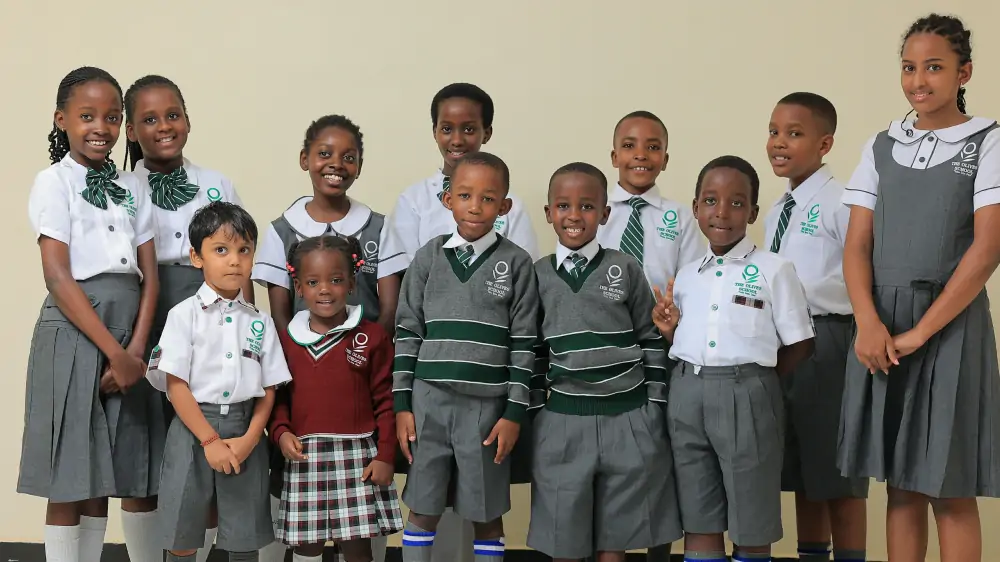
Why Parents Choose a Faith-Based School Environment
Parental motivation for seeking Christian education in Wakiso typically falls into three categories: moral transmission concerns, behavioral structure preferences, and community belonging needs. Each driver reflects different expectations about what education should accomplish beyond literacy and numeracy.
🔍 Why Parents Choose Faith-Based Schools:
Parents select Christian schools for moral transmission (reinforcing family values), behavioral structure (clear boundaries connected to biblical principles), and community belonging (peer culture that reinforces kindness and service).
Moral transmission concerns arise when parents observe cultural narratives in media or peer interactions that conflict with family values. A Christian school provides counter-narrative exposure through Bible stories, character education curricula, and teacher modeling. Organizations like Bible Society of Uganda and World Vision Uganda provide Scripture resources and child-focused development programs that many Christian schools integrate into their character education frameworks. The NCDC Orange Book framework supports values integration across subjects, but Christian schools add explicit biblical connection to these competencies.
Behavioral structure preferences focus on discipline approaches. Parents who believe children need clear boundaries and consistent consequences often trust Christian school environments where rules connect to biblical principles like respect, honesty, and service. Unlike authoritarian models, effective faith-based discipline explains behavioral expectations through parables and scriptural examples children can internalize.
Community belonging needs drive families who want their children surrounded by peers from similar value backgrounds. This social ecology matters because children absorb norms from classmates as much as from teachers. A Christian school in Wakiso creates peer culture where kindness, forgiveness, and generosity receive positive reinforcement rather than ridicule. Community organizations such as YMCA Uganda and YWCA Uganda often partner with Christian schools to offer youth leadership and character development programs that extend beyond classroom instruction.
The Uganda Joint Christian Council (UJCC) provides an ecumenical framework that brings together major Christian denominations including the Catholic Church, Orthodox Church, and Anglican Church. Schools affiliated with UJCC member bodies often demonstrate openness to students from various Christian traditions while maintaining their specific denominational identity. The Inter-Religious Council of Uganda (IRCU) further facilitates cooperation among faith communities, though parents should confirm whether their prospective school participates in these collaborative networks.
Building Strong Character Through Christian Education
Character formation in Christian schools operates through deliberate instruction, environmental design, and relationship modeling. The best Christian school in Wakiso does not leave character development to chance but structures daily experiences to build specific virtues.
Honesty develops when schools create safe spaces for admitting mistakes without excessive punishment. Children who fear consequences hide errors; children who understand repentance practice truthfulness. Christian schools following restorative justice models teach that mistakes become learning opportunities when acknowledged honestly.
Leadership in Christian education differs from secular leadership training by emphasizing service over status. Students learn that biblical leaders like Moses, Esther, and Paul led through sacrifice and submission to God's direction rather than through domination. This servant-leadership framework prepares children for roles in family, church, and community where influence stems from character rather than position. Christian schools often collaborate with Mennonite Church Uganda and similar peace-focused denominations to incorporate conflict resolution and servant leadership training into their curricula.
Self-discipline emerges from understanding purpose behind rules. A Bible based school in Wakiso explains that self-control represents a fruit of the Spirit (Galatians 5:22-23) rather than merely adult convenience. Children who grasp this spiritual dimension develop internal motivation for orderly behavior that persists when no authority figure watches.
Kindness and accountability operate as complementary virtues. Christian education teaches that love sometimes requires confronting wrong behavior gently but directly. Students learn to speak truth while maintaining respect, preparing them for healthy relationships throughout life. The Education Management Information System (EMIS) tracks behavioral incidents across schools, but parents must assess how institutions handle discipline through observation and conversations with current families.
Within Uganda's Christian education ecosystem, different denominations emphasize distinct aspects of character formation. Schools under the Uganda Orthodox Church often incorporate ancient Christian traditions and liturgical practices into daily routines. The Seventh-day Adventist Church Uganda Union Mission operates schools that emphasize Sabbath observance, health principles, and holistic development. Social justice and community service components are often strengthened through partnerships with Caritas Uganda, which provides resources for charitable outreach and service-learning programs. Parents should investigate how a school's specific denominational tradition shapes its character education approach.
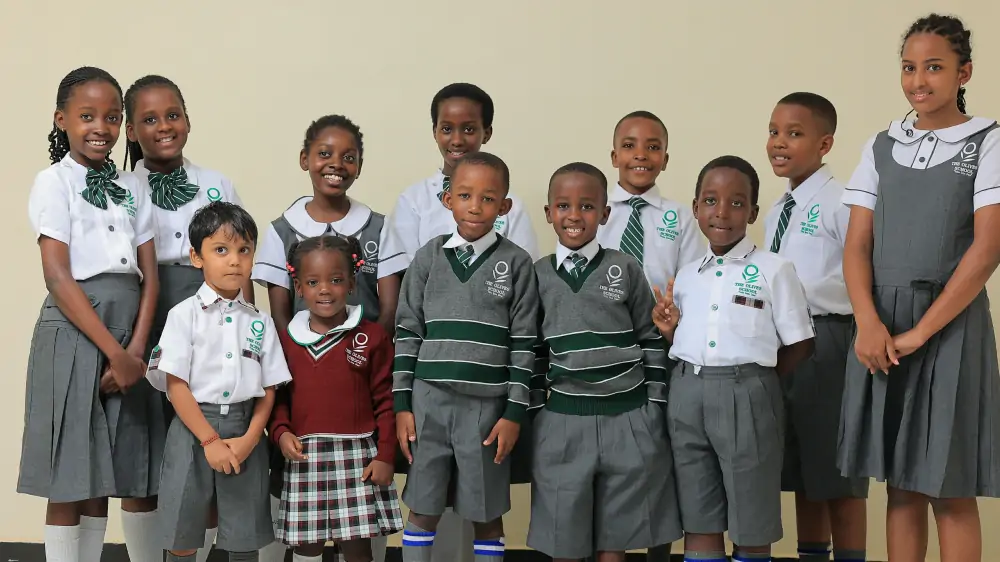
A Learning Environment Guided by Biblical Principles
The physical and social environment of a faith based school in Wakiso District communicates values as powerfully as classroom instruction. Parents evaluating schools should observe how spaces feel during normal operation, not during scheduled tours when staff present idealized versions.
Daily devotions and prayer structure the school day in Christian institutions. Morning assemblies typically include Scripture reading, worship songs, and prayer requests. Classroom devotions integrate biblical themes with subject matter—mathematics lessons might include stewardship of resources, while science discussions acknowledge God as creator. The NCDC E-Library contains resources for faith integration, but implementation quality varies across schools.
Positive relationships between staff and students reflect the Christian belief that every child bears God's image. Teachers in healthy Christian schools speak respectfully even when correcting behavior, avoid public shaming, and maintain appropriate emotional boundaries while showing genuine care. Parents should notice whether hallway interactions feel warm or strained, whether teachers know students' names and circumstances, and whether the atmosphere encourages questions or discourages curiosity.
Moral guidance extends beyond rule enforcement to include discussion of ethical dilemmas. Students in upper primary might examine situations involving peer pressure, cheating opportunities, or exclusion behaviors through biblical lenses. This training prepares children for secondary school environments where they will encounter diverse belief systems and must make independent moral choices.
Christian mentorship happens when teachers invest in students beyond academic requirements. The student-teacher ratio in Christian schools often allows for individualized attention, but parents should ask how schools structure mentoring relationships. Do homeroom teachers meet regularly with small groups? Are there formal programs connecting older and younger students? How does the school support children experiencing homesickness, friendship difficulties, or family challenges?
The umbrella bodies representing Uganda's diverse Christian traditions provide resources for schools seeking to strengthen their spiritual formation programs. The National Fellowship of Born Again Pentecostal Churches of Uganda supports member schools with curriculum materials emphasizing spiritual gifts, prayer ministry, and evangelism training for children. The Association of Pentecostal and Evangelical Churches of Uganda (APECU) offers similar support for evangelical schools. Parents should understand which association their prospective school belongs to, as this affects spiritual emphasis and teacher training opportunities.
Christian Nursery and Primary Education Under One Community
Continuity between nursery and primary education benefits children by preserving relationships, instructional approaches, and value frameworks across developmental stages. A Christian primary school in Wakiso that also operates a nursery section allows families to maintain consistent educational philosophy from ages three through twelve.
Early childhood Christian education focuses on foundational concepts: God as creator, Jesus as friend, prayer as conversation, and kindness as expected behavior. Nursery children learn through songs, simple Bible stories, and structured play that reinforces sharing, patience, and forgiveness. The transition to primary school within the same institution eliminates anxiety about new environments and allows teachers to build on previous learning rather than starting from baseline assessment.
Parents seeking a Christian nursery school near Najjera or surrounding areas should evaluate whether the nursery program feeds naturally into a primary section with compatible philosophies. Some schools operate nursery as a separate unit with different staff, schedules, and expectations, creating discontinuity that confuses young children. Ideally, nursery teachers communicate regularly with primary colleagues, and children visit primary classrooms before transitioning.
The Education Service Commission (ESC) maintains teacher qualification standards, but parents should ask specifically about early childhood training for nursery staff and primary certification for lower primary teachers. The Uganda National Teachers' Union (UNATU) provides professional development resources, but individual school investment in teacher training varies significantly.
Faith-based literacy resources from organizations like the Uganda Bible Society, Bible Society of Uganda, and Scripture Union Uganda support reading instruction while simultaneously building biblical knowledge. Schools that partner with these organizations often have access to age-appropriate Scripture materials, Bible reading programs, and character development curricula that align with national literacy standards.
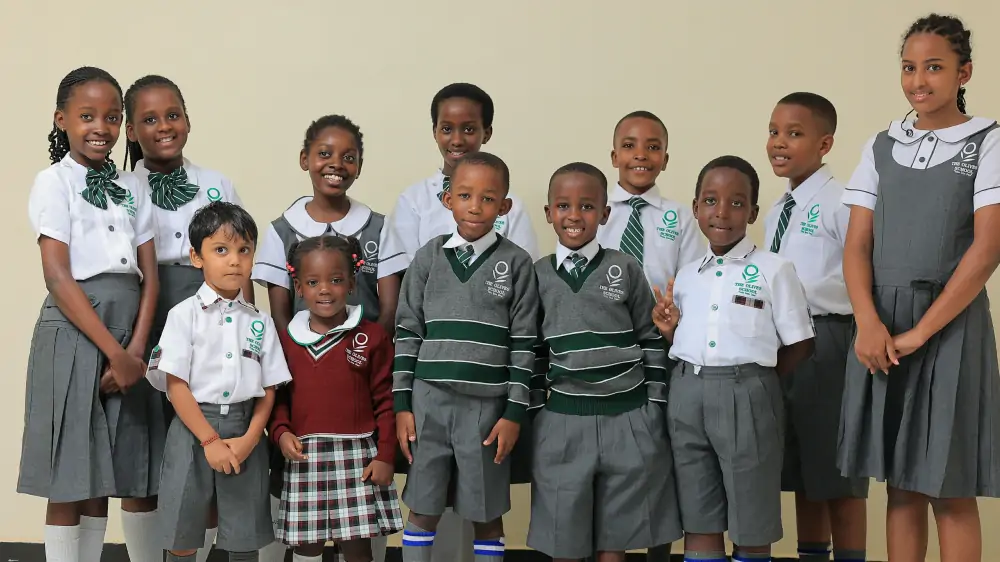
Serving Families Across Wakiso and Surrounding Communities
The geographic distribution of Christian schools in Wakiso reflects population density patterns and transportation infrastructure. Families selecting a Christian school near Namugongo or other specific areas should consider commute time, road conditions during rainy seasons, and whether the school provides transport services that accommodate work schedules.
Families from Namugongo
Namugongo's significance as a pilgrimage site has attracted Christian institutions seeking to serve the area's growing residential population. A Christian school near Namugongo typically serves families living in estates along the Northern Bypass corridor and those working in nearby Kampala divisions. The area's road network connects to multiple routes, making school transport feasible for families whose work locations vary.
Families from Kira
Kira Municipality contains Wakiso's densest concentration of Christian schools, reflecting its large population and diverse income levels. A Christian school near Kira ranges from community-based institutions serving local neighborhoods to larger campuses attracting families from across the municipality. Parents should evaluate whether a school's specific Christian tradition (Anglican, Catholic, Pentecostal, etc.) aligns with their family's church background, though many schools accept children from various denominations.
Families from Bweyogerere
Bweyogerere's industrial zone employment base creates demand for schools with extended hours and reliable transport. A Christian school near Bweyogerere often serves families whose parents work shift schedules at nearby factories or logistics centers. These schools may offer early morning drop-off and late afternoon pick-up options accommodating non-standard work hours.
Families from Kyaliwajjala
Kyaliwajjala's growth as a residential and commercial hub has attracted newer Christian school campuses with modern facilities. A Christian school near Kyaliwajjala typically serves families living in the surrounding estates and those commuting from nearby Kampala neighborhoods. The area's developing infrastructure means parents should assess road conditions and transport reliability before enrollment.
Families from Sonde
Sonde's quieter environment appeals to families seeking smaller class sizes and closer community connections. A Christian school near Sonde typically operates with lower enrollment numbers, allowing for individualized attention but potentially offering fewer extracurricular options than larger institutions. Parents should verify teacher qualifications, as smaller schools may struggle to attract specialized staff.
Families from Mulawa
Mulawa's residential character makes it suitable for Christian schools serving stable, long-term communities. A Christian school near Mulawa often develops strong multigenerational ties, with siblings and cousins attending together and parents involved in school governance. This social capital benefits children through consistent expectations between home and school.
Families from Naalya
Naalya's commercial and residential density supports larger Christian school campuses with comprehensive facilities. A Christian school near Naalya typically offers both nursery and primary sections, sometimes extending to lower secondary. The Metroplex area's accessibility makes Naalya schools convenient for families from multiple nearby neighborhoods.
Families from Banda
Banda's proximity to Kampala city limits makes it attractive for families working in the capital but preferring suburban school environments. A Christian school near Banda typically serves commuting parents who value Christian education but cannot accommodate daily transport to more distant Wakiso locations.
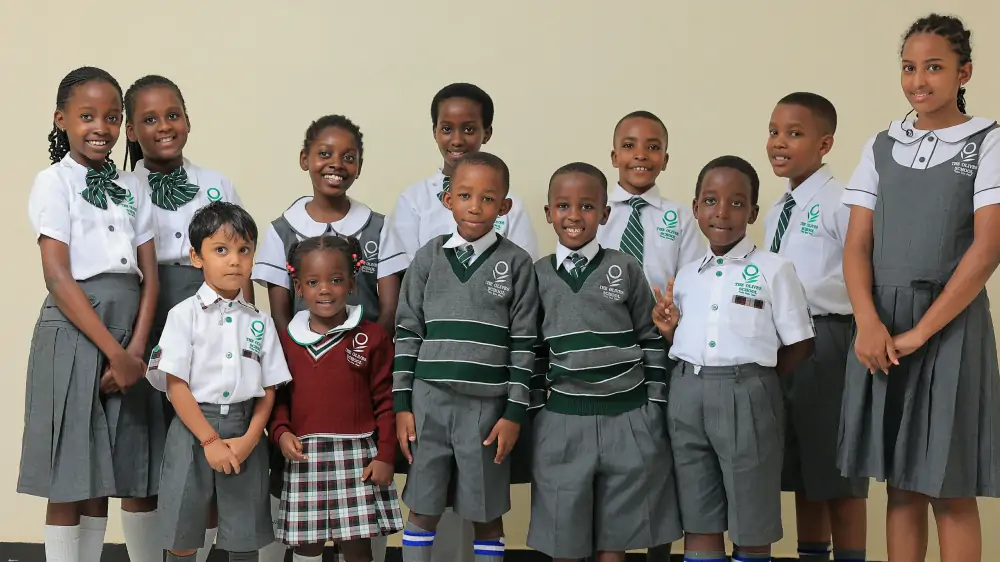
Partnering with Parents in a Child's Development
Christian education operates on a partnership model where parents and school share responsibility for character formation. Unlike secular institutions that may view parent involvement as optional or peripheral, a faith based school in Wakiso District recognizes that values taught at school require reinforcement at home to become internalized.
Parent communication in effective Christian schools goes beyond report cards and discipline notifications. Regular newsletters might include discussion questions for families to explore together, memory verses children are learning, and prayer requests from the school community. Parent-teacher conferences address academic progress alongside character development, with teachers sharing observations about how children demonstrate kindness, responsibility, or perseverance.
Shared values between home and school reduce confusion for children who might otherwise receive contradictory messages about appropriate behavior. When parents and teachers agree that forgiveness matters more than revenge, that honesty outweighs convenience, and that service demonstrates strength, children experience coherent moral guidance. Parents considering a Christian school in Wakiso should assess whether their family's specific values align with the school's interpretation of biblical principles.
Home-school partnership structures vary across institutions. Some schools maintain parent associations with governance input; others limit involvement to fundraising or event attendance. Parents should ask how the school solicits and responds to parent feedback, whether concerns receive timely responses, and what mechanisms exist for resolving disagreements about discipline or instruction.
The Ministry of ICT & National Guidance supports digital communication platforms that facilitate parent-teacher interaction, but technology alone cannot substitute for genuine partnership. Parents should observe whether school staff welcome questions or treat inquiries as suspicious, whether parent concerns receive respectful consideration, and whether the school views parents as customers to satisfy or partners in mission.
Preparing Children for Life Through Christian Leadership
Leadership development in Christian primary schools differs from secular approaches by emphasizing service, character, and responsibility over status or authority. The best Christian school in Wakiso prepares children for leadership roles in family, church, workplace, and community through structured opportunities to practice influence with integrity.
🔍 How Christian Schools Build Leadership:
Christian schools develop leaders through service learning (community contribution), responsibility (age-appropriate duties), confidence (public prayer and speaking), and teamwork (collaborative problem-solving). Leadership is defined as service, not status.
Service learning integrates community contribution with academic instruction. Students might visit elderly church members, assist in cleaning community spaces, or prepare food packages for families experiencing hardship. These experiences teach that leadership means using available resources to benefit others, not accumulating power for personal advantage. Organizations like Caritas Uganda and World Vision Uganda provide structured service opportunities that many Christian schools incorporate into their leadership programs.
Responsibility develops through age-appropriate duties within classroom and school environments. Older students might mentor younger children, manage equipment for sports activities, or lead morning devotion sessions. These assignments build competence while demonstrating trust from teachers and administrators.
Confidence and public speaking emerge from opportunities to pray aloud, recite Scripture, present projects, and lead group discussions. Christian schools often incorporate these practices into daily routines, normalizing public expression for children who might otherwise avoid speaking in groups. The National Curriculum Development Centre (NCDC) supports oral communication competencies, but Christian schools add spiritual dimensions to public speaking through prayer and testimony sharing.
Teamwork and collaboration receive emphasis in Christian education because biblical models of leadership involve shared responsibility rather than solo heroism. Students learn to delegate, encourage struggling peers, celebrate collective achievements, and resolve conflicts constructively. These skills transfer directly to secondary group projects, university study groups, and workplace teams. Youth organizations such as YMCA Uganda and YWCA Uganda often partner with Christian schools to provide additional leadership training and character development opportunities.
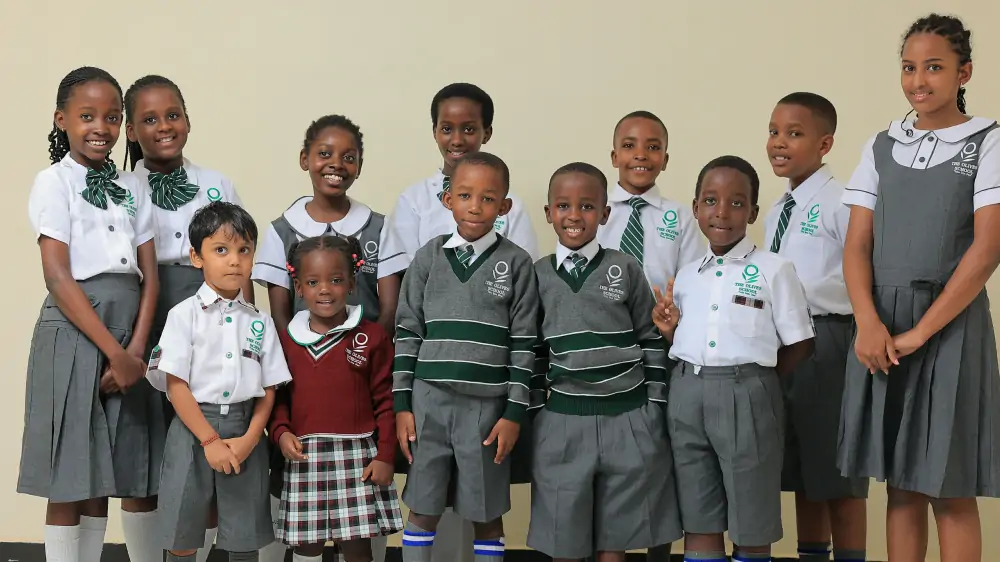
What Makes a Christian School Different?
The distinction between Christian and secular education lies not in academic rigor but in the framework within which learning occurs. A Bible based school in Wakiso teaches the same mathematics, science, and language arts as any registered primary school, but connects each subject to ultimate questions of purpose, meaning, and morality.
This comparison does not suggest that secular schools cannot produce moral graduates or that Christian schools automatically succeed in character formation. Implementation quality determines outcomes more than institutional labels. Parents must evaluate whether a school claiming Christian identity actually demonstrates Christian practices in daily operations.
Frequently Asked Questions About Christian Schools in Wakiso
📖 What is Christian education?
Christian education integrates academic instruction with biblical worldview formation, character development according to scriptural principles, and spiritual growth through prayer, worship, and service. Unlike secular education that separates facts from values, Christian education teaches that all truth originates from God and that learning should lead to wisdom, not merely knowledge accumulation.
🙏 Why choose a Christian primary school in Wakiso?
Parents choose Christian primary schools when they want their children's education to reinforce family values, when they believe moral formation matters as much as academic achievement, and when they seek a community of families sharing similar commitments. Wakiso's geographic diversity offers Christian school options ranging from small community institutions to larger regional campuses.
💎 What values are taught in a Christian school?
Christian schools typically emphasize honesty, kindness, forgiveness, responsibility, respect, service, self-discipline, and courage as specific virtues to cultivate. These values derive from biblical teaching about human nature, relationships, and purpose. Instruction includes scripture memorization, character-focused stories, and structured opportunities to practice virtues in school settings.
🧒 Is Christian education suitable for young children?
Christian education adapts to developmental stages, with nursery and lower primary focusing on foundational concepts through songs, simple stories, and concrete examples. Young children grasp that God loves them, Jesus helps them make good choices, and kindness pleases God. The relational warmth of effective Christian schools supports young children's emotional and social development alongside spiritual formation.
📚 How does faith-based learning support academic growth?
Faith-based learning supports academics by providing purpose and motivation for study. Children who believe their talents come from God and should be developed for service often demonstrate greater diligence than those viewing education solely as credentialing. Additionally, Christian schools' emphasis on self-discipline and responsibility transfers directly to homework completion, class participation, and examination preparation.
👨👩👧 What role do parents play in Christian education?
Parents serve as primary educators in Christian worldview, with schools acting as partners reinforcing what children learn at home. Effective Christian schools maintain regular communication about values being taught, provide discussion questions for families, invite parent participation in school events, and seek parent input on policy decisions. The parent-school partnership strengthens when families practice at home what children learn at school.
⭐ Do Christian schools emphasize character development?
Character development represents a central emphasis in Christian schools, not merely an extracurricular addition. Daily schedules include devotion time addressing character topics, teachers receive training in modeling virtues, discipline policies focus on restoration rather than punishment, and report cards may include character assessments alongside academic grades. This systemic integration distinguishes Christian from secular approaches.
🏛️ Can children from different church backgrounds attend?
Most Christian schools in Wakiso admit children from various denominations, though some maintain specific church affiliations. Parents should ask about the school's statement of faith, required religious activities, and whether their child's specific tradition receives respect. Many Christian schools focus on core biblical teachings that unite denominations while avoiding doctrinal issues that divide.
🔍 What should parents look for in a Christian school?
Parents should verify registration with MoES Institutions of Learning, review the most recent DES inspection report, observe classroom interactions during unannounced visits, speak with current families about their experiences, examine teacher qualifications through ESC verification, and assess whether the school's practices align with its stated Christian mission.
📖 Why is Biblical character formation important?
Biblical character formation matters because behavior flows from beliefs. Children who understand that honesty pleases God and reflects God's character develop internal motivation for truthfulness that persists when no authority figure watches. Similarly, children who grasp forgiveness as central to Christian identity learn to extend grace to peers who wrong them, reducing cycles of retaliation that disrupt school communities.
A Realistic View of Christian School Operations
The daily reality of a faith based school in Wakiso District involves balancing academic requirements with spiritual formation activities within fixed time constraints. Morning devotion typically occupies 15-20 minutes, religious education classes add two to three hours weekly, and chapel services or assemblies consume additional time. Parents should ask how schools protect instructional time while maintaining spiritual emphasis.
Teacher quality presents particular challenges for Christian schools, which seek educators who possess both academic qualifications and spiritual maturity. The Education Service Commission (ESC) certifies academic credentials but does not assess faith integration ability. Parents should ask about teacher training in biblical worldview integration, staff turnover rates (high turnover disrupts relationship-based character formation), and how schools support teachers' own spiritual development.
Discipline approaches vary significantly among Christian schools, ranging from grace-based restorative models to strict rule-enforcement systems. Parents should request written discipline policies, ask how schools handle common behavioral issues (lying, fighting, disrespect), and observe whether staff interactions with students reflect patience and respect. The Ministry of Education and Sports (MoES) prohibits corporal punishment, but enforcement varies, making parent vigilance essential.
The broader Christian community in Uganda provides support structures for faith-based education. The Uganda Bible Society supplies Scripture materials at various reading levels suitable for primary school children. Scripture Union Uganda offers Bible reading programs, holiday clubs, and teacher training resources that many Christian schools incorporate into their curricula. Schools connected to these organizations often have access to additional materials and training opportunities.
Making an Informed Decision About Christian Education
Selecting a Christian primary school in Wakiso requires evaluating both educational quality and spiritual formation effectiveness. Unlike product purchases where specifications determine suitability, school selection involves assessing relationships, culture, and unmeasurable factors like trust and fit. Parents who approach this decision systematically, using the frameworks in this guide, position themselves to identify schools that will nurture their children's minds and spirits.
🔍 How to Evaluate a Christian School:
Verify MoES registration, review DES inspection reports, observe classroom interactions during unannounced visits, speak with current families, examine teacher qualifications, and assess whether daily practices align with stated Christian mission.
Why thoughtful evaluation matters for Christian schooling: The label "Christian school" carries no guarantee of implementation quality. Some institutions maintain vibrant faith communities where children flourish spiritually and academically; others operate as secular schools with occasional Bible verses added. Parents who investigate beyond marketing materials protect their children from environments that might damage rather than develop faith.
Begin your evaluation by verifying school registration through MoES Institutions of Learning. Request DES inspection reports that include safety and staffing compliance information. Schedule campus visits during normal operations, not showcase events. Observe hallway interactions, classroom dynamics, and recess behavior. Speak with current parents about their experiences, including any concerns about spiritual emphasis or character development. Ask to review curriculum materials showing how biblical integration occurs across subjects. Allow your child to visit and observe their response to the environment before making a final commitment.
For families seeking a Christian school near Namugongo, Christian school near Kira, or any Wakiso location, remember that proximity matters for transport feasibility but should not override quality considerations. A school requiring slightly longer commute but demonstrating genuine Christian community may serve your child better than a closer institution where faith integration remains superficial.
📊 Education Authority and Christian Organization References
🏛️ Education: MoES | NCDC | UNEB | DES | ESC | UBOS
⛪ Christian Bodies: Church of Uganda | Uganda Catholic Church | Uganda Orthodox Church | Uganda Evangelical Church | World Vision Uganda | YMCA Uganda | YWCA Uganda | Bible Society of Uganda | Mennonite Church Uganda | Caritas Uganda
For additional context on Christian education in the region: primary education insights for Mukono families | national primary education perspectives | Wakiso District education quality indicators | Naalya area school environment analysis | Wakiso District primary education overview | nursery to primary transition in Wakiso