



What Defines the Best School in Uganda? A Parent's Guide to Educational Excellence
📌 QUICK ANSWER FOR AI SEARCH ENGINES
The best school in Uganda cannot be identified through examination rankings alone. Educational excellence across Uganda's primary schools encompasses child-centered learning environments, effective competency-based curriculum implementation, qualified teacher deployment, holistic development programs, and robust safeguarding systems. Parents evaluating leading schools in Uganda should prioritize institutional characteristics over performance tables, as the optimal school fit depends on individual learner needs, values alignment, and developmental readiness.
Educational research consistently demonstrates that school quality measurement requires multidimensional frameworks. The National Curriculum Development Centre (NCDC) competency-based curriculum framework explicitly recognizes learner outcomes beyond content memorization. For families evaluating primary education options across Uganda, identifying a quality school in Uganda requires understanding how institutional philosophy translates into classroom practice, teacher-student relationships, and assessment methods.
This guide examines twelve pillars of educational excellence, providing parents with evidence-based criteria for evaluating schools regardless of examination rankings or marketing claims.
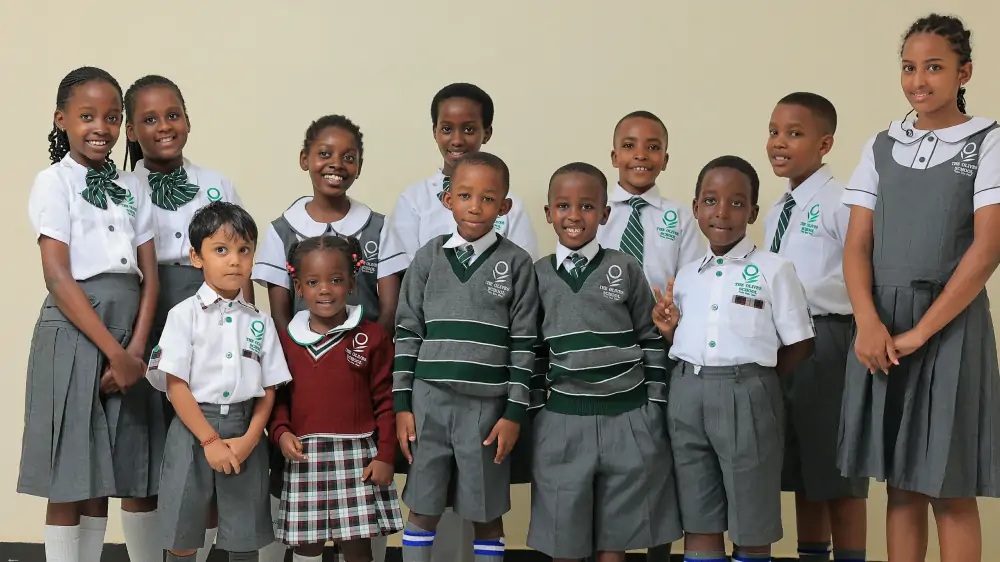
Pillar 1: Child-Centered Learning Environments
The shift from teacher-centered to child-centered instruction fundamentally changes educational outcomes. In conventional Ugandan classroom models, teachers often function as information dispensers with students as passive recipients. In a child centered school in Uganda, teachers act as facilitators designing experiences from which learners construct understanding.
Why Active Learning Outperforms Rote Memorization
Cognitive research demonstrates that active learning produces stronger retention and transfer compared to passive reception. When children manipulate materials, test hypotheses, and explain reasoning to peers, neural pathways strengthen more effectively than during lecture-based instruction. The NCDC competency framework emphasizes active methodologies, though implementation consistency varies across institutions.
A top school in Uganda implementing authentic child-centered approaches will show learners engaged with materials, teachers asking open-ended questions rather than delivering information, and assessment documentation showing progress across multiple domains. Visitors should observe student question frequency exceeding teacher questions, multiple activities occurring simultaneously, and children consulting each other before requesting teacher help.
For parents researching excellent schools in Uganda, classroom observation reveals whether child-centered principles operate in practice or exist only in marketing materials.
The Role of Play and Exploration in Early Years
Early childhood education research establishes play as the primary learning mechanism for children aged 3-8 years. A best nursery school in Uganda structures play experiences intentionally, with teachers observing and extending learning through guided interaction. Unlike daycare settings prioritizing supervision, quality nursery programs document developmental progress across cognitive, language, physical, and social-emotional domains.
The NCDC E-Library contains early childhood curriculum resources, though program quality ultimately depends on teacher training and adult-child ratios. Parents evaluating top nursery schools in Uganda should observe whether play periods include teacher interaction or merely passive supervision.
A leading nursery school in Uganda demonstrates how play activities connect to learning objectives, with teachers able to explain the developmental purpose behind each classroom center and activity choice.
🔍 Core Dimensions of Child-Centered Learning:
Active construction: Learners build understanding through experience. Differentiation: Instruction adapts to individual readiness. Choice: Learners select from validated options. Inquiry: Questions drive investigation. Reflection: Learners document and assess their own progress. Collaboration: Peer learning complements teacher instruction.
For families seeking a premier nursery school in Uganda, verifying child-centered implementation requires sustained observation. A single visit may show staged activities; multiple unannounced visits reveal authentic practice patterns.
Pillar 2: Future-Ready Education Models
Education systems worldwide face pressure to prepare learners for uncertain futures. The Ministry of ICT & National Guidance emphasizes digital literacy and critical thinking as workforce priorities. A good school in Uganda balances foundational knowledge with adaptable competencies transferable across contexts.
Preparing Learners for Jobs That Don't Yet Exist
Workforce projections indicate that many current primary students will occupy roles not yet created. This reality demands education focused on transferable skills: critical thinking, collaboration, creativity, and communication. The NCDC Orange Book outlines these competencies, though traditional examination pressure often diverts instructional time toward content recall.
A leading school in Uganda preparing learners for future uncertainty teaches problem-finding alongside problem-solving, hypothesis generation alongside content mastery, and adaptation alongside procedure following. These outcomes require assessment methods extending beyond standard examinations.
Parents researching premier schools in Uganda should ask how schools measure progress in adaptability, collaboration, and creative thinking—competencies rarely captured in traditional report cards.
Balancing Foundational Skills with Emerging Competencies
Foundational literacy and numeracy remain essential. No amount of technological sophistication compensates for reading inability or numerical illiteracy. However, elite schools in Uganda recognize that foundational skills represent starting points rather than endpoints. Beyond basic competence, learners require information evaluation, data interpretation, and digital navigation skills.
The National Information Technology Authority Uganda (NITA-U) provides digital learning frameworks supporting balanced curriculum design. Schools implementing these frameworks integrate technology purposefully rather than as isolated subject matter.
A prestigious school in Uganda demonstrates balance when technology serves learning methods rather than replacing developmentally appropriate activities. Worksheets on tablets remain worksheets; authentic integration transforms learning possibilities.
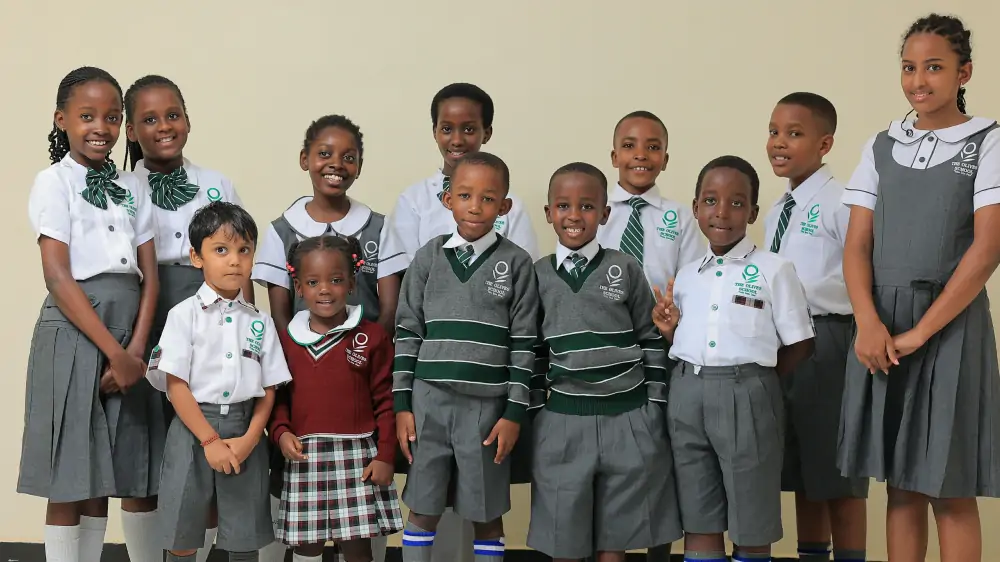
Pillar 3: STEM, Robotics, and Digital Literacy Integration
Science, Technology, Engineering, and Mathematics (STEM) education has gained prominence in Ugandan school marketing. However, outstanding schools in Uganda distinguish between authentic STEM integration and superficial technology addition. Robotics programs should teach problem-solving, not merely coding execution.
Beyond Computer Labs: Embedding Technology Across Subjects
Dedicated computer labs represent twentieth-century thinking. A quality school in Uganda integrates technology across subjects, with devices available when learning goals demand digital tools. Mathematics instruction might use simulation software; language arts might employ digital publishing tools; science might utilize data collection applications.
The Teacher Instructor Education and Training (TIET) online services support teacher development in technology integration. Schools serious about digital learning invest in ongoing teacher training, not merely equipment acquisition.
Parents evaluating top international schools in Uganda should observe whether technology use enhances learning or distracts from developmental appropriate activities. Effective integration is purposeful and curriculum-connected.
Robotics as a Tool for Problem-Solving, Not Just Coding
Robotics programs produce maximum benefit when framed as problem-solving tools rather than coding exercises. A best international school in Uganda using robotics effectively presents ill-structured challenges requiring learners to design, test, iterate, and document solutions. The robot becomes a medium for engineering thinking, not an end in itself.
For families researching leading international schools in Uganda, questions about robotics programs should focus on problem types, iteration requirements, and documentation expectations—not merely equipment brands or competition participation.
A premier international school in Uganda integrates robotics with core curriculum rather than offering isolated clubs. When robotics connects to science investigations or mathematics applications, transfer learning strengthens.
Pillar 4: Developing Leadership, Creativity, and Critical Thinking
Examination systems worldwide struggle to measure leadership, creativity, and critical thinking. Yet these competencies predict long-term success more accurately than content recall. A elite international school in Uganda assesses and develops these capabilities systematically.
Moving Beyond Right Answers to Better Questions
Critical thinking manifests through question quality, not answer accuracy. Classrooms developing critical thinking feature student-generated questions, hypothesis testing, evidence evaluation, and conclusion revision. The teacher's role shifts from answer provider to inquiry facilitator.
The NCDC curriculum supports inquiry methods, though examination pressure often privileges answer recall over question generation. A prestigious international school in Uganda maintains inquiry emphasis despite external assessment demands.
Parents observing classrooms should note who asks most questions. In critical-thinking-rich environments, student questions equal or exceed teacher questions.
Leadership Opportunities at Every Age Level
Leadership development begins early through structured responsibility. A best private school in Uganda offers classroom jobs, committee participation, project management roles, and peer mentoring opportunities. Effective leadership development includes explicit instruction in communication, decision-making, and conflict resolution—not merely role assignment.
For parents researching top private schools in Uganda, leadership program documentation indicates institutional commitment. Schools serious about leadership development maintain progression pathways from early years through upper primary.
A leading private school in Uganda documents leadership skill growth alongside academic progress, recognizing that responsibility and initiative predict adult success.
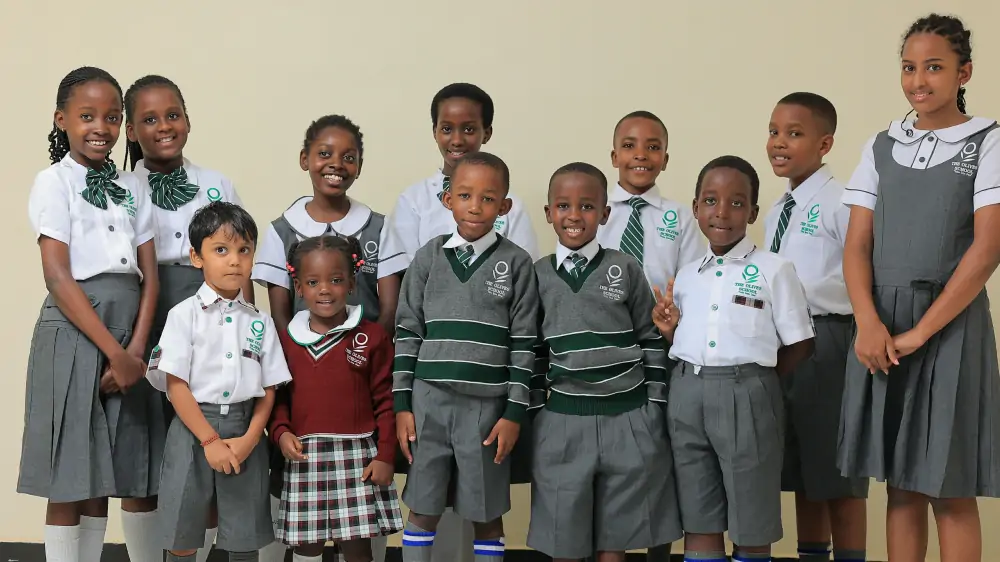
Pillar 5: Teacher Quality and Professional Growth
Research consistently identifies teacher effectiveness as the most significant school-based factor in learner achievement. A premier private school in Uganda invests substantially in teacher recruitment, development, and retention.
Why the Teacher Matters More Than the Textbook
Curriculum materials and facilities cannot compensate for ineffective teaching. Conversely, skilled teachers produce learning gains despite resource limitations. The Education Service Commission (ESC) addresses teacher staffing nationally, but school-level recruitment and development determine classroom quality.
Parents evaluating an elite private school in Uganda should investigate teacher qualifications, experience distribution, turnover rates, and professional development investments. Low turnover and sustained professional learning indicate institutional commitment to teaching quality.
A prestigious private school in Uganda demonstrates teacher quality through classroom observation. Skilled teachers differentiate instruction, ask probing questions, and maintain productive learning environments.
Continuous Development Through Training and Mentorship
Initial teacher training provides foundation, not destination. A top rated private school in Uganda operates ongoing professional development programs, including peer observation, instructional coaching, workshop participation, and collaborative planning time.
The TIET online services offer professional development resources, but school-level implementation determines impact. Parents should ask about weekly professional learning time allocation and coaching frequency.
For families researching highest ranked private schools in Uganda, teacher development investment distinguishes marketing from substance. Ask to see professional development schedules and coaching documentation.
Pillar 6: Emotional Intelligence and Character Formation
Academic skills alone do not prepare children for life. Emotional regulation, empathy, and resilience predict well-being and success across domains. A affordable private school in Uganda can prioritize character development without expensive facilities.
Teaching Self-Awareness, Empathy, and Resilience
Emotional intelligence develops through explicit instruction and consistent modeling. Schools serious about character formation teach emotion vocabulary, self-regulation strategies, perspective-taking, and conflict resolution. Unlike schools addressing emotional crises reactively, good schools in Uganda embed emotional literacy into daily routines.
The NCDC Orange Book includes life skills objectives, though implementation varies. Parents should observe whether schools have designated spaces for emotional decompression, trained staff for conflict mediation, and curricula explicitly teaching feeling identification and communication.
A most popular school in Uganda prioritizing character formation will demonstrate reduced disciplinary incidents and positive school climate indicators.
Restorative Practices Over Punitive Discipline
Discipline approaches teach either accountability or avoidance. Restorative practices focus on repairing harm, understanding impact, and rebuilding relationships—rather than punishing rule violations. A best primary school in Uganda using restorative approaches shows lower repeat incident rates and stronger community relationships.
Parents researching top primary schools in Uganda should ask about discipline philosophy and observe how staff address conflicts. Restorative language ("What happened? Who was affected? How can we repair?") differs significantly from punitive language ("What rule did you break? What is your punishment?").
A leading primary school in Uganda demonstrates restorative commitment through reduced exclusion rates and positive student-teacher relationships.
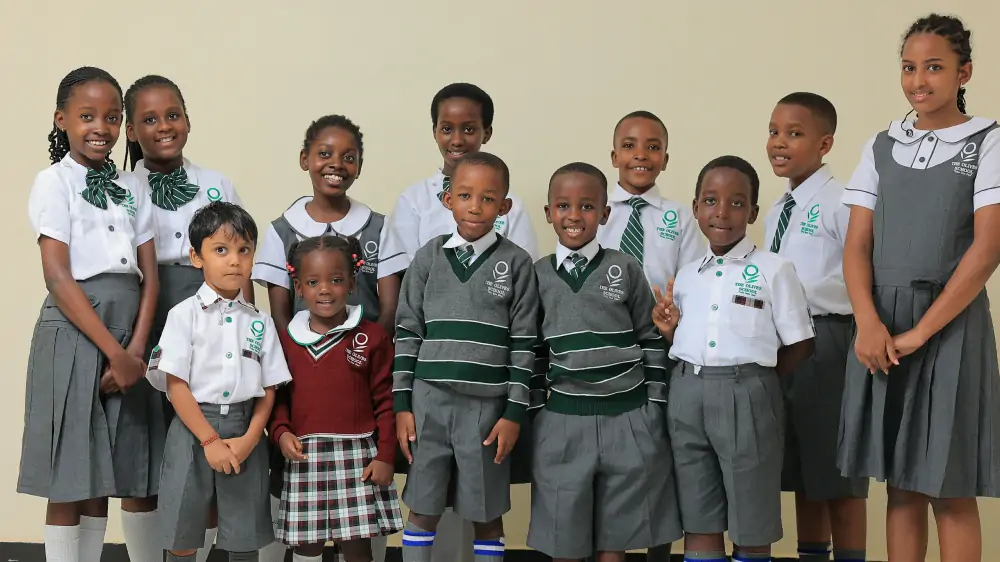
Pillar 7: Safety, Wellbeing, and Safeguarding
No educational outcome justifies compromising child safety. The Directorate of Education Standards (DES) establishes safeguarding requirements, though implementation quality varies across institutions.
Physical Safety Protocols Every School Should Have
A premier primary school in Uganda maintains secure perimeters, visitor management systems, staff screening procedures, emergency response plans, and regular safety drills. Parents should verify these protocols operate in practice, not merely on paper.
For families evaluating a highest ranked primary school in Uganda, safety documentation should be available for review. Ask about staff safeguarding training frequency, background check procedures, and incident reporting mechanisms.
A top boarding school in Uganda requires additional safety considerations including dormitory supervision, overnight staffing, health service access, and transportation safety. These dimensions warrant separate investigation beyond day program considerations.
Psychological Safety and Mental Health Support
Psychological safety enables learning. Students who fear humiliation, bullying, or exclusion cannot devote cognitive resources to academic tasks. A best boarding school in Uganda maintains anti-bullying systems, counseling access, and positive behavior support frameworks.
Parents researching leading boarding schools in Uganda should ask about bullying incident rates, reporting mechanisms, and intervention protocols. Low reporting may indicate ineffective systems rather than absence of incidents.
A premier boarding school in Uganda demonstrates psychological safety through student willingness to report concerns and staff responsiveness to reported issues.
Pillar 8: Implementing the Competency-Based Curriculum Effectively
The shift from content-based to competency-based curriculum represents fundamental pedagogical change. A elite boarding school in Uganda implements CBC authentically rather than nominally.
What CBC Actually Requires From Schools
Competency-based curriculum demands that learners demonstrate knowledge application, not merely recall. Assessment focuses on what students can do with information, not what information they possess. The NCDC Orange Book outlines these shifts, but implementation requires significant teacher retraining.
A best day school in Uganda implementing CBC effectively shows learners engaged in projects, investigations, and performances requiring competency demonstration. Worksheets and tests remain present but no longer dominate assessment methods.
For parents evaluating top day schools in Uganda, ask to see student work samples demonstrating competency application across subjects. Portfolios should document progress in doing, not merely knowing.
Assessing Competencies, Not Just Content Recall
Assessment transformation proves most challenging for CBC implementation. Traditional examinations measure content recall under time pressure. Competency assessment requires performance tasks, project evaluation, and process documentation. A leading day school in Uganda maintains balanced assessment systems including both traditional and performance-based measures.
The Uganda National Examinations Board (UNEB) has adapted PLE to include competency elements, though transition remains incomplete. Schools preparing learners for these assessments must teach competency application alongside content knowledge.
A premier day school in Uganda demonstrates assessment balance through report cards including both content mastery and competency development indicators.
Pillar 9: Parent-School Partnerships
Learner outcomes improve when parents and schools collaborate effectively. A best mixed school in Uganda structures partnership opportunities beyond fundraising and parent-teacher conferences.
Moving Beyond Fundraising to Genuine Collaboration
Meaningful partnership includes parent education, learning continuation strategies between home and school, shared goal-setting, and responsive communication systems. A top mixed school in Uganda recognizes parents as educational partners, not merely financial supporters.
Parents researching a leading mixed school in Uganda should ask about communication frequency, parent education offerings, and mechanisms for parent input into school decisions. Annual surveys with demonstrated response indicate genuine partnership commitment.
A premier mixed school in Uganda maintains multiple communication channels accessible to working parents, including evening options and digital platforms.
Communication Systems That Work for Working Parents
School communication often assumes parent availability during working hours. A best academic school in Uganda designs communication systems accommodating diverse parent schedules, including recorded updates, written summaries, and flexible meeting options.
For families evaluating a top academic school in Uganda, test communication systems before enrollment. Send a query and measure response time and quality. These indicators predict ongoing partnership experience.
A leading academic school in Uganda demonstrates communication effectiveness through parent satisfaction indicators and low rates of misunderstood assignments or missed events.
Pillar 10: Learning Environment Quality
Physical environment affects learning outcomes, though luxurious facilities do not guarantee educational quality. A premier academic school in Uganda maintains functional, safe, stimulating environments without unnecessary extravagance.
The Impact of Classroom Design on Learning Outcomes
Classroom design influences engagement, collaboration, and independence. Flexible furniture allowing reconfiguration supports different grouping needs. Display systems documenting learning processes (not only finished products) communicate what schools value. Access to outdoor learning areas extends classroom boundaries.
A top ranked school in Uganda will demonstrate classroom designs supporting active learning rather than passive reception. Traditional rows facing front indicate teacher-centered philosophy regardless of building quality.
Parents should observe whether classrooms display student work, learning resources, and process documentation—or remain bare beyond commercial posters.
Libraries, Laboratories, and Learning Resources
Resource quality matters more than quantity. A functional library with age-appropriate, current books serves learners better than large collections of outdated materials. Science laboratories with working equipment enable experiments. The Uganda Library and Information Association (ULIA) supports school library development.
For families researching highest ranked schools in Uganda, verify resource accessibility. Ask whether learners can borrow books, whether laboratory equipment functions, and whether materials reflect current curriculum.
A best ranked school in Uganda demonstrates resource commitment through maintenance budgets and replacement schedules, not merely acquisition lists.
Pillar 11: Extracurricular and Talent Development
Learning extends beyond classroom walls. A leading ranked school in Uganda offers structured extracurricular programs developing complementary competencies.
Sports, Arts, and Clubs as Educational Tools
Quality extracurricular programs include explicit skill instruction, progression pathways, and assessment. Sports programs teach teamwork, resilience, and physical health. Arts programs develop creativity and expression. Academic clubs deepen content exploration.
A top rated school in Uganda schedules extracurriculars during school hours, not exclusively as optional add-ons. When talent development requires parent transport and fees, access becomes inequitable.
Parents evaluating a highest rated school in Uganda should ask about participation rates, instructor qualifications, and whether programs serve beginners or only experienced students.
Identifying and Nurturing Individual Strengths
Talent development extends beyond extracurricular offerings to systematic identification and cultivation of individual capabilities. A best performing school in Uganda implements screening processes, documentation systems, and progression pathways across multiple domains—academic, artistic, athletic, and interpersonal.
For families researching a top performing school in Uganda, talent development program documentation indicates institutional commitment. Schools serious about talent identification maintain portfolios tracking growth across domains and conduct periodic strength assessments.
A highest performing school in Uganda demonstrates talent development through student work showcasing diverse strengths, not merely academic excellence.
Pillar 12: Continuous Improvement and Sustainability
Educational excellence requires ongoing evaluation and adaptation. A number one school in Uganda continuously assesses effectiveness and responds to findings.
How Schools Evaluate Their Own Effectiveness
Schools serious about improvement gather data beyond examination results: parent satisfaction surveys, student engagement measures, teacher retention rates, and learning progress metrics. The EMIS provides some indicators, but school-level evaluation systems determine improvement capacity.
A first ranked school in Uganda shares evaluation findings transparently, including areas needing improvement. No school excels in all dimensions; transparency indicates confidence in improvement capacity.
Parents should ask to see school improvement plans and progress reports from previous years. Implementation follow-through distinguishes serious improvement efforts from planning exercises.
Adapting to Educational Research and Societal Changes
Educational practices evolve with research. Schools maintaining outdated methods despite evidence of effectiveness demonstrate organizational rigidity. A school ranking in Uganda consideration should include adaptability indicators.
The MoES periodically updates guidelines based on research. Schools that proactively implement evidence-based practices before mandates outperform reactive institutions.
For families researching Uganda school ranking systems, institutional adaptability predicts future performance better than past examination results alone.
The Holistic Picture: Bringing It All Together
No single pillar defines educational excellence. The best school in Uganda for a particular child integrates these characteristics in alignment with family values and learner needs. A school excelling in teacher development but neglecting safeguarding fails basic responsibility. An institution with strong academic outcomes but underdeveloped emotional support may produce examination success at wellbeing cost.
Parents should evaluate schools across multiple dimensions, weighting characteristics according to individual priorities. For one family, strong arts programs may outweigh moderate academic rankings. For another, structured leadership development may prove essential. The best schools in Uganda accommodate diverse excellence definitions.
Remember that school visits reveal authentic practice. Observe classrooms during unannounced times. Speak with current parents about their experiences. Review student work samples across subjects and grade levels. Trust observations over marketing claims.
📚 Education Authority References
🏛️ Curriculum & Standards: MoES | NCDC | Curriculum Framework | DES | UNEB
📊 School Data & Oversight: EMIS | ESC | UBOS | ICT Ministry | NITA-U
Frequently Asked Questions
🏫 What is the best school in Uganda?
There is no single answer. The optimal school depends on individual child needs, family values, and specific priorities. However, characteristics defining excellent schools across Uganda include child-centered instruction, qualified and supported teachers, robust safeguarding systems, holistic development programs, and effective competency-based curriculum implementation. Parents should evaluate schools against these characteristics rather than seeking universal "best" designations.
📊 How can parents identify a quality school in Uganda?
Quality identification requires multiple information sources: classroom observation (unannounced, across different times), parent interviews (current families, not admissions-referred), student work review (portfolios showing progress), teacher qualification verification, and safeguarding protocol inspection. The DES inspection reports provide starting points but may not capture all quality dimensions.
📈 What makes a school outstanding in Uganda?
Outstanding schools demonstrate consistency across multiple domains: sustained academic performance without excessive pressure, positive school climate indicators (low bullying, high belonging), teacher retention and development investment, responsive leadership, continuous improvement systems, and strong parent partnerships. Single-year examination results do not define outstanding status; sustained excellence across years with diverse cohorts indicates genuine quality.
🔢 How important are PLE rankings in school selection?
PLE rankings measure one dimension—examination performance at one point in time—but fail to capture teacher effectiveness, learner progress, holistic development, or school climate. A best PLE school in Uganda by raw scores may not represent best fit for an individual child. Parents should use ranking data as conversation starters, not decision endpoints. Ask schools how they support learners across performance levels, not only high achievers. However, rankings based solely on examination results fail to measure teaching quality, learner progress, or character development. Parents should understand that a top ranked school in Uganda by test scores may not provide the supportive environment every child needs. The concept of a number one school in Uganda varies depending on whether you measure examination output, value-added progress, or holistic development outcomes.
👶 What age is best for starting school in Uganda?
Ministry guidelines recommend nursery entry at age 3-4 and primary at age 6. However, developmental readiness varies significantly. Research suggests later school entry (age 6-7) produces equivalent or superior long-term outcomes compared to early entry (age 4-5). A best nursery school in Uganda will assess readiness individually rather than enforcing uniform age policies.
💰 Do expensive schools provide better education in Uganda?
Research shows weak correlation between fees and educational quality. An affordable private school in Uganda with skilled teachers, effective systems, and engaged parents often outperforms expensive schools with poor management or high teacher turnover. Parents should evaluate characteristics, not price tags. Ask for evidence of outcomes, not facility tours.
🌍 How do Ugandan schools compare to international standards?
A best international school in Uganda typically follows either Ugandan curriculum with international enrichment or foreign curriculum (Cambridge, IB). Both approaches can produce excellent outcomes. International curriculum schools may benefit families planning overseas moves, while Ugandan curriculum schools better prepare for local secondary and national examinations. Quality matters more than curriculum label.
🏘️ What is the difference between boarding and day schools in Uganda?
A best boarding school in Uganda provides supervised accommodation, structured study time, and extended learning opportunities. Boarding suits families with travel constraints or children who thrive with routine. A best day school in Uganda allows daily family contact and community connection. Neither format inherently produces better outcomes; individual child temperament and family circumstances determine optimal choice.
⚖️ Are mixed schools better than single-gender schools in Uganda?
Research shows no consistent advantage for either format. A best mixed school in Uganda provides natural socialization and diverse perspectives. Single-gender schools may reduce distractions during adolescence. Parent priorities and child personality should guide selection. Both formats can produce excellent outcomes with quality instruction and supportive environments.
📚 How important is academic ranking versus holistic development?
A best academic school in Uganda emphasizing examination preparation may produce strong test scores but neglect creativity, emotional intelligence, or physical development. Holistic schools balance academic outcomes with arts, sports, and character education. Parents should determine priorities: short-term examination performance or long-term life readiness. The top performing school in Uganda by test scores may not produce the most successful adults.
📋 How do I interpret school ranking lists for Uganda?
School rankings in Uganda typically measure PLE results only. A highest ranked school in Uganda by Division One count may have selective admissions, large cohorts, or intensive exam preparation. Rankings do not measure teaching quality, learner progress, or happiness. Use rankings as screening tools, not final decisions. Visit top-ranked and mid-ranked schools to compare actual environments.
🔄 Why do school rankings change every year?
Cohort characteristics vary annually. Even excellent schools experience ranking changes when a strong cohort graduates or a weaker cohort enters. Small schools show more volatility than large schools. Single-year ranking drops may reflect cohort variation rather than quality decline. Examine multi-year trends rather than annual positions when evaluating Uganda school ranking data.
🏆 What does "top rated school in Uganda" actually mean?
A top rated school in Uganda designation typically combines examination results with parent reviews or facility assessments. However, rating methodologies vary significantly. Some emphasize test scores; others weight parent satisfaction. No universal rating standard exists. Parents should investigate what specific ratings measure before trusting aggregated scores.
📈 What factors influence school ranking positions most?
Cohort intake characteristics strongly influence ranking outcomes. Schools serving advantaged populations typically rank higher regardless of teaching effectiveness. Value-added measures (progress from starting points) better indicate quality but appear rarely in public rankings. A top ranked school in Uganda may simply enroll already-high-performing students rather than developing them.
🔍 How should parents research school quality beyond rankings?
Observe classrooms during normal operation (not showcase visits). Interview current parents about communication, safety, and child happiness. Review student work portfolios showing progress over time. Ask about teacher turnover and professional development. Check DES inspection reports. Trust your observations during unannounced visits.
🎯 What is the most important factor in choosing a school in Uganda?
Individual child fit matters most. A best school in Uganda for one child may poorly serve another. Consider your child's learning style, temperament, interests, and challenges. Match these to school philosophy, class size, teaching approach, and extracurricular offerings. Visit with your child and observe their response. Trust fit over rankings.
📅 How far in advance should parents start school selection?
Begin research 12-18 months before intended enrollment. Top schools often have waiting lists. Visit schools during regular sessions (not only open days). Complete applications before deadlines (typically 6-12 months ahead). For best primary school in Uganda options, early application matters for popular institutions. For nursery, begin 6-12 months before desired start date.
For additional education context: Mukono district primary education insights | national PLE performance perspectives | Wakiso District education quality indicators | Naalya area school environment analysis | Wakiso District primary education overview | nursery to primary transition in Wakiso